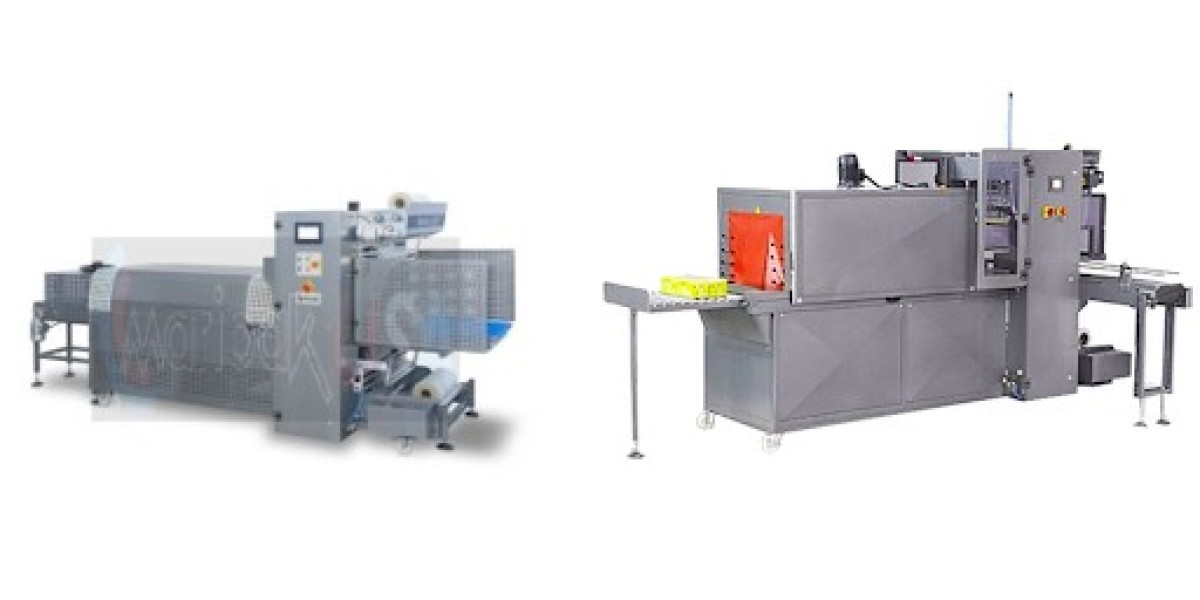
In today’s competitive packaging industry, speed, consistency, and product protection are essential for operational success. A shrink film wrapping machine has emerged as a key solution for manufacturers looking to streamline their packaging process. By automating the wrapping of products in protective shrink film, these machines reduce labor requirements, minimize material waste, and ensure uniform packaging quality. Implementing shrink film wrapping technology allows businesses to increase throughput, enhance product presentation, and maintain a competitive edge across industries ranging from food and beverages to consumer goods and industrial products.
Understanding Shrink Film Wrapping Machines
A shrink film wrapping machine is a specialized device designed to wrap products in heat-sensitive film that shrinks tightly around the item when exposed to heat. The machine applies the film around the product and then passes it through a heat tunnel, shrinking the film to conform precisely to the product’s shape.
Shrink film wrapping machines are versatile, capable of handling single items or multi-pack products, and can work with a variety of materials including polyethylene and polyolefin films. This flexibility makes them ideal for businesses with diverse packaging needs or those that require protective and visually appealing packaging for shipping and retail display.
Key Advantages of Shrink Film Wrapping Machines
Increased Packaging Speed
One of the most significant advantages of a shrink film wrapping machine is its ability to operate at high speeds. Manual wrapping or semi-automatic methods can create bottlenecks in production, especially during peak demand periods. Automated shrink wrapping systems can wrap hundreds or even thousands of products per hour, significantly increasing throughput and enabling faster fulfillment of orders.
This speed is particularly valuable in industries such as food and beverages, where timely packaging can help preserve freshness and reduce spoilage. In addition, fast wrapping processes allow manufacturers to meet tight deadlines without compromising packaging quality.
Consistent Packaging Quality
Consistency in packaging is critical for both product protection and brand presentation. Manual wrapping often results in uneven seals, wrinkles, or loose film, which can negatively impact the appearance and safety of the product.
Shrink film wrapping machines deliver uniform shrinkage, tight seals, and precise film application for every product. This consistency reduces material waste, minimizes returns due to damaged packaging, and enhances the overall professionalism of the packaged product.
Reduced Labor Costs
Manual packaging requires significant human labor, particularly for high-volume production lines. By integrating a shrink film wrapping machine, manufacturers can reduce reliance on labor-intensive processes, freeing employees to focus on other tasks such as quality control or inventory management.
Reducing manual handling also minimizes the risk of repetitive strain injuries and other workplace accidents associated with packaging tasks, making operations safer and more efficient.
Versatility for Various Products
Modern shrink film wrapping machines can accommodate a wide range of product sizes and shapes, making them highly versatile. Adjustable settings for temperature, wrapping speed, and film tension allow businesses to switch between products quickly, whether packaging small items, multi-pack bundles, or irregularly shaped goods.
This flexibility is particularly beneficial for companies that produce diverse product lines or require frequent changes in packaging specifications.
Integration with Production Lines
Shrink film wrapping machines can be seamlessly integrated into existing production lines, working alongside conveyor systems, labeling machines, and case packers. By creating a fully automated packaging workflow, manufacturers can reduce downtime, optimize floor space, and ensure smooth operation from product assembly to shipping.
Automation also supports better inventory management by providing predictable packaging output, enabling businesses to maintain accurate production schedules and meet customer demand efficiently.
Cost Efficiency and Return on Investment
While the initial investment in a shrink film wrapping machine may be higher than manual options, the long-term benefits quickly justify the expenditure. Faster packaging speeds, reduced labor costs, and minimized material waste contribute to a rapid return on investment.
Additionally, consistent packaging reduces the risk of damaged products during storage and shipping, protecting revenue and maintaining customer satisfaction. Over time, the combination of efficiency, reliability, and product protection makes shrink film wrapping machines a smart investment for businesses aiming to scale production.
Conclusion
Integrating a shrink film wrapping machine into packaging operations can significantly enhance efficiency, consistency, and overall productivity. By automating the wrapping process, manufacturers can reduce labor costs, improve product protection, and maintain a high standard of packaging quality.
For businesses seeking to optimize their packaging workflow, investing in advanced wrapping machines offers a comprehensive solution that supports faster production, reliable output, and visually appealing presentation. Embracing this technology allows companies to stay competitive in a fast-moving market while delivering well-packaged products to customers consistently.