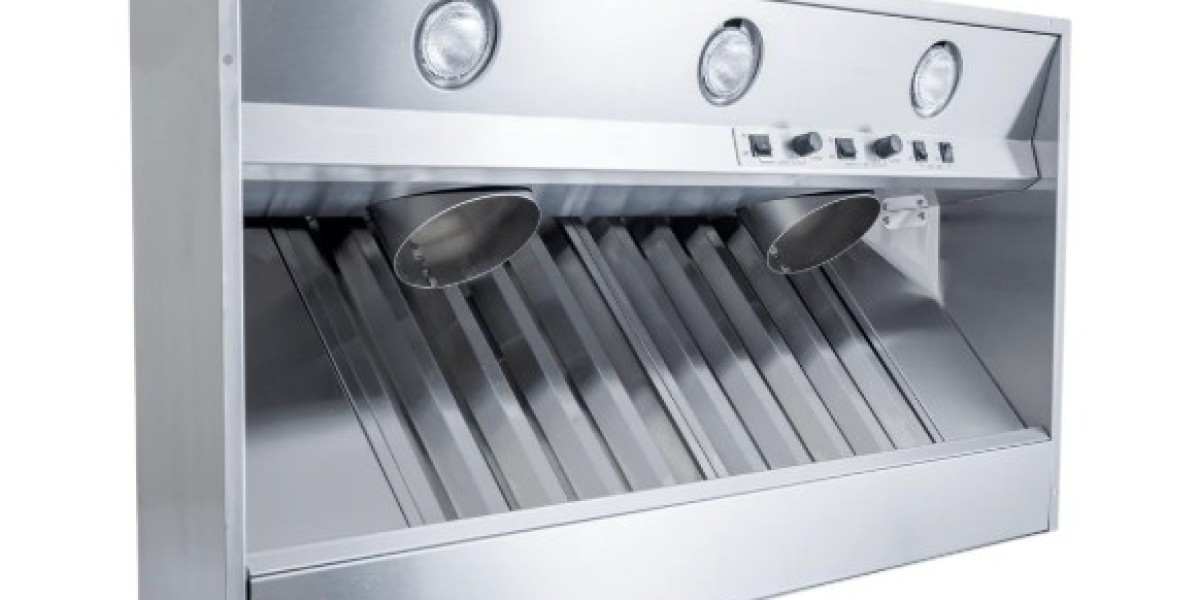
Adequate kitchen ventilation is essential for maintaining clean air, protecting surfaces, and creating a comfortable cooking environment. As kitchens evolve into more open, design-focused spaces, homeowners increasingly seek ventilation solutions that balance performance with a seamless appearance. This is where a range hood insert becomes a practical and stylish choice. Installed discreetly inside custom cabinetry or decorative enclosures, it delivers powerful ventilation while preserving the overall kitchen design.
Choosing the right insert requires more than matching dimensions. Airflow capacity, cooking habits, noise levels, and long-term maintenance all contribute to ensuring the insert performs efficiently and meets everyday needs.
Key Factors to Consider When Choosing a Range Hood Insert
Kitchen Size and Cooking Style
The size of your kitchen and how often you cook directly affect the type of range hood insert you need. Kitchens with high-output cooking, such as frequent frying or grilling, require stronger ventilation to effectively manage smoke and grease. Larger kitchens may also need higher airflow capacity to ensure pollutants are removed before they spread.
Understanding your cooking habits helps determine whether you need a basic insert for light use or a more powerful option for intensive cooking.
Proper Hood Width and Coverage
Coverage is critical for adequate ventilation. The insert should be at least as wide as your cooktop to capture smoke and grease efficiently. An undersized insert may allow pollutants to escape, reducing its effectiveness and impacting air quality.
Selecting the correct width ensures that airflow is evenly distributed across the cooking surface, improving overall performance.
Performance Features That Make a Difference
Airflow Capacity and Efficiency
Airflow is measured in cubic feet per minute (CFM), which indicates how much air the insert can move. Higher CFM ratings are ideal for heavy cooking, while moderate ratings work well for everyday use. The goal is to achieve effective ventilation without excessive energy consumption.
An efficient range hood insert balances power and energy use, delivering strong airflow when needed while remaining cost-effective over time.
Noise Levels and Comfort
Ventilation systems should enhance comfort, not disrupt it. Advanced inserts are designed to operate quietly, even at higher speeds. Lower noise levels allow conversations, entertainment, and family interactions to continue uninterrupted while cooking.
When comparing options, consider inserts with multiple fan speeds so airflow can be adjusted based on cooking intensity.
Filtration and Grease Control
Filters play a vital role in trapping grease and airborne particles. High-quality inserts use durable filters that capture grease efficiently, preventing buildup on cabinets and walls. Easy-to-remove filters simplify cleaning and help maintain consistent performance.
Proper filtration not only improves air quality but also extends the lifespan of the ventilation system.
Design and Installation Considerations
Seamless Integration With Cabinetry
One of the main advantages of a range hood insert is its ability to blend seamlessly into kitchen cabinetry. This creates a clean, custom look without sacrificing ventilation power. Inserts are ideal for homeowners who want effective performance without a visible hood dominating the space.
Ducted vs. Ductless Options
Ducted inserts vent air outside, offering superior performance by removing smoke and odors completely. Ductless options recirculate air through filters and are useful where external venting isn’t possible. Understanding your kitchen’s layout and ducting options helps determine the most suitable setup.
Ease of Installation and Maintenance
A well-designed insert should be easy to install and maintain. Accessible controls, removable filters, and durable components simplify upkeep and ensure reliable performance over time. Regular maintenance keeps the system operating efficiently and extends its lifespan.
Conclusion
Selecting the right range hood insert involves careful consideration of kitchen size, cooking habits, airflow requirements, and design preferences. When properly chosen, an insert provides efficient ventilation, improved air quality, and a clean, integrated look that complements modern kitchens. For homeowners working with compact cabinetry or standard cooktop sizes, an insert hood 30 offers a balanced solution that delivers dependable performance without compromising aesthetics. By focusing on coverage, efficiency, and long-term durability, you can ensure your kitchen ventilation system performs effectively for years to come.