
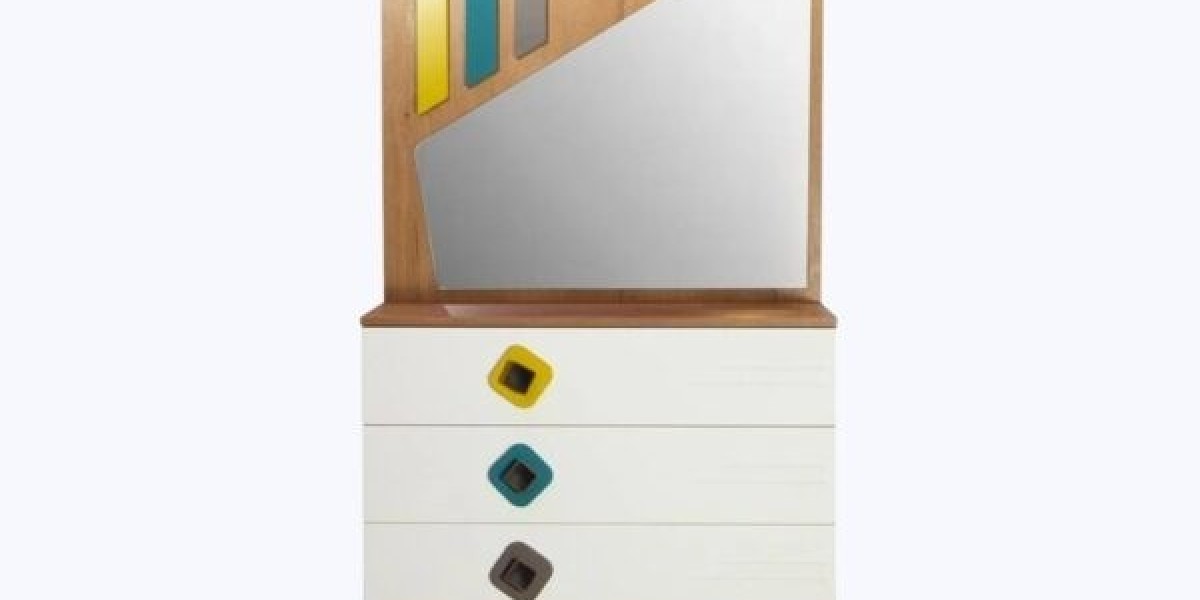
Encouraging children to develop independence is one of the most valuable lessons parents can impart. From the earliest years, children begin seeking autonomy in small ways—choosing their own clothes, brushing their hair, or even mimicking their parents during daily routines. Among the many tools that can help support this growth, a dressing table holds a surprisingly powerful role. While it may seem like a simple piece of furniture, a thoughtfully designed kids dressing table can become a gateway to building confidence, responsibility, and self-reliance.
A Space Designed Just for Them
One of the most effective ways to encourage independence in children is by giving them their own space. A dressing table designed specifically for kids provides a personal area where they can practice grooming, organizing, and making choices without depending on constant supervision. This sense of ownership instills pride. When a child has a spot reserved just for their belongings—mirrors, combs, accessories, and perhaps even small drawers—it reinforces the idea that they are capable of managing their own routine.
Having this special place also teaches respect for personal property. Children who grow up with their own dressing tables often learn how to care for their belongings earlier. They begin to understand that keeping their space tidy and functional is part of their responsibility, a lesson that extends to other aspects of their lives.
Encouraging Daily Routines
Independence is built on consistent habits, and a dressing table makes these habits enjoyable. Children often thrive when daily routines are structured yet flexible enough to let them feel in control. Whether it is brushing their hair before school or picking out accessories for the day, the simple act of standing in front of a mirror empowers them to take charge.
This daily ritual reinforces the importance of self-care. When children begin their mornings with small tasks at their dressing table, they internalize the idea that preparing for the day is their responsibility. Parents may assist at first, but over time, kids become eager to manage these routines themselves, gaining confidence in their ability to handle everyday tasks.
Boosting Self-Esteem through Choices
A crucial part of independence is making decisions, and dressing tables create the perfect environment for this skill to flourish. Choosing between two hair clips or deciding whether to wear a scarf allows children to explore their sense of individuality. These seemingly small choices are vital steps toward larger decision-making in the future.
A mirror amplifies this effect by giving children immediate feedback. Seeing themselves after making a choice—whether it is neat hair or a favorite accessory—helps them evaluate their decisions and develop a sense of pride in their appearance. Over time, this feedback loop builds self-esteem, which is an essential foundation for independence.
Developing Organizational Skills
Many dressing tables for children come with drawers or compartments. This feature provides an opportunity for children to practice sorting, arranging, and keeping their things in order. Learning to place a brush in one drawer, hair bands in another, and jewelry in a separate box introduces them to the basics of organization.
These habits go beyond grooming items. When children grow accustomed to managing their space at the dressing table, they often carry those organizational skills into schoolwork, toys, and other responsibilities. Early exposure to structured spaces helps children understand the value of order and the efficiency it brings to daily life.
A Platform for Creative Expression
Independence is not just about responsibility—it is also about self-expression. Dressing tables allow children to explore their creativity in a safe and constructive way. They may experiment with hairstyles, play dress-up, or imagine themselves as characters from their favorite stories. Such imaginative play builds problem-solving skills and encourages them to think outside the box.
Moreover, children who are allowed to express themselves through their appearance tend to develop a stronger sense of identity. A dressing table becomes more than just furniture; it transforms into a creative studio where children learn to express who they are, what they like, and how they want to present themselves to the world.
Teaching Responsibility through Care
When children have their own dressing table, they also learn about responsibility in maintaining it. Dusting the surface, putting items back after use, or asking for help when something breaks fosters accountability. Parents can gently guide them in understanding that taking care of their possessions ensures they last longer.
This responsibility also extends to personal hygiene. For example, ensuring combs are clean or that items are neatly arranged reinforces discipline. Over time, these small but consistent acts of care contribute significantly to a child’s overall sense of independence.
The Role of Parents in the Journey
While a dressing table can foster independence, parental involvement remains essential. The goal is not to leave children entirely on their own but to encourage gradual independence. Parents can guide children on how to use the table, demonstrate proper grooming techniques, and model organization skills. Once children become familiar with these practices, they can take over more responsibility.
This balanced approach ensures that children do not feel overwhelmed. Instead, they gain confidence from knowing that their parents trust them to handle small responsibilities while remaining available for support when needed.
Creating Positive Associations
Children often associate furniture and spaces with specific emotions. When a dressing table is introduced as a fun and empowering tool, it becomes a place of joy rather than obligation. Parents can strengthen this association by praising children when they use it responsibly, complimenting them on their choices, and celebrating their progress.
These positive associations not only encourage children to continue using the dressing table but also create a lasting appreciation for self-care. The sense of accomplishment they feel from managing their routines on their own is deeply rewarding, and it inspires them to tackle bigger responsibilities over time.
Long-Term Benefits of Early Independence
The impact of a child’s dressing table extends far beyond the early years. The independence learned through self-care routines often translates into confidence at school, responsibility with homework, and resilience in social settings. Children who feel capable of handling personal tasks are more likely to approach challenges with determination rather than hesitation.
As they grow older, the lessons learned at their dressing table evolve into life skills. Organizational habits help with academic success, decision-making prepares them for critical thinking, and self-expression nurtures creativity. What begins as a playful and personal corner in their room ultimately shapes a foundation for independence throughout their lives.
Choosing the Right Dressing Table
Not every dressing table will serve the same purpose. Parents should look for designs that are child-friendly, with safe materials, rounded edges, and mirrors that are secure. The table should be at a comfortable height for the child to use without assistance. Drawers and compartments should be easy to open and close, encouraging children to explore and organize freely.
Personalization is another important factor. A dressing table that reflects the child’s favorite colors or themes makes the experience more engaging. When children feel connected to their furniture, they are more inclined to use it consistently.
A Tool for Growth and Confidence
Ultimately, a dressing table is much more than an accessory for a child’s room. It is a tool that nurtures independence, builds self-esteem, and teaches responsibility. Through daily routines, creative play, and organizational tasks, children learn vital life skills in a supportive environment. Parents who provide this opportunity are not just furnishing a room; they are investing in their child’s growth.
Independence is not taught in a single lesson—it is cultivated through experiences that empower children to take control of their world in small, meaningful ways. A dressing table may seem ordinary at first glance, but in practice, it plays a remarkable role in helping children step into their independence with confidence and pride.